
Artificial Intelligence (AI) is transforming various sectors, and the museum and exhibition industry is no exception. By leveraging AI technologies, museums are enhancing visitor experiences, improving operational efficiency, and providing deeper insights into their collections. This article explores how AI is being applied in museums and exhibitions, highlighting its benefits and potential challenges.
1. Enhancing Visitor Experience
1.1 Personalized Tours
AI can analyze visitor preferences and behaviors to create personalized tour experiences. Using mobile apps equipped with AI algorithms, museums can suggest tailored itineraries based on individual interests. For instance, if a visitor shows a preference for modern art, the app can highlight relevant exhibits and provide additional information about the artists and their works.
1.2 Interactive Exhibits
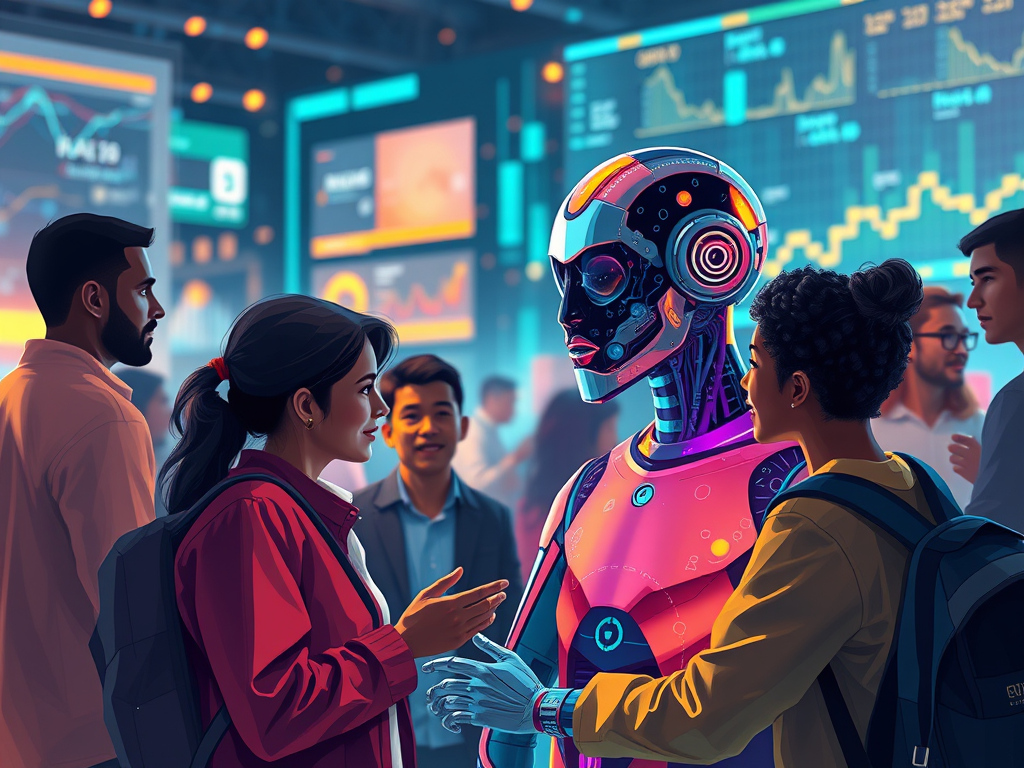
AI-powered interactive exhibits engage visitors in unique ways. For example, some museums use AI-driven chatbots that can answer questions in real-time, providing information about artifacts or artworks. Additionally, augmented reality (AR) applications can overlay digital information onto physical exhibits, allowing visitors to explore deeper narratives and historical contexts.
1.3 Virtual Reality Experiences
Virtual reality (VR) experiences powered by AI allow visitors to immerse themselves in historical events or artistic processes. For example, a museum could offer a VR experience that transports visitors to an ancient civilization, allowing them to explore reconstructed environments and interact with virtual artifacts. This not only enhances engagement but also makes learning more impactful.
AI Slash Man – Double your ability to resume business and N money
AI斜杠人-倍增您的复业+N钞能力

Sau 30 năm mài kiếm, chúng tôi đã tập hợp nửa thế kỷ kinh nghiệm kiếm tiền từ chương trình tự động để tạo ra hệ thống chém mạnh nhất dành cho bạn!
Selepas 30 tahun mengasah pedang, kami telah mengumpulkan setengah abad pengalaman dalam pengewangan program automatik untuk mencipta sistem slash terkuat untuk anda!
30 年間剣を研ぎ続けた後、私たちは自動プログラム収益化における半世紀の経験を結集して、最強の斬撃システムを作成しました。
หลังจากการลับดาบมาเป็นเวลา 30 ปี เราได้รวบรวมประสบการณ์กว่าครึ่งศตวรรษในการสร้างรายได้จากโปรแกรมอัตโนมัติเพื่อสร้างระบบเฉือนที่แข็งแกร่งที่สุดสำหรับคุณ!
30년 동안 칼을 갈고, 반세기 동안의 자동화 프로그램 수익화 경험을 모아 여러분을 위한 최강의 슬래시 시스템을 만들어드립니다!
2. Improving Operational Efficiency
2.1 Collection Management
AI technology can streamline collection management processes. Museums often have vast collections, and AI can assist in cataloging, indexing, and retrieving items efficiently. Machine learning algorithms can analyze metadata and suggest optimal ways to organize collections, making it easier for curators to access information and manage exhibits.
2.2 Predictive Analytics for Visitor Trends
By analyzing historical visitor data, AI can help museums predict future trends and visitor behaviors. This information is invaluable for planning exhibitions, marketing strategies, and resource allocation. For instance, if data indicates a growing interest in a particular type of exhibit, museums can adjust their programming to meet this demand.
2.3 Maintenance and Conservation
AI is also being used in the maintenance and conservation of artifacts. Machine learning algorithms can analyze environmental conditions and predict when specific artifacts might be at risk due to factors like humidity or temperature fluctuations. This proactive approach helps museums preserve their collections more effectively.
3. Enhancing Educational Opportunities
3.1 AI-Driven Learning Platforms
AI can facilitate educational programs by providing interactive learning platforms. Museums can develop AI-driven applications that offer quizzes, games, and interactive content related to their exhibits. These platforms can adapt to different learning styles, making education more accessible and engaging for visitors of all ages.
3.2 Language Translation Services
AI-powered translation services can break down language barriers in museums. By providing real-time translations of exhibit descriptions and audio guides, museums can cater to a diverse audience. This inclusivity enhances the overall visitor experience and allows for a broader understanding of the exhibits.
4. Creating Engaging Marketing Strategies
4.1 Targeted Marketing Campaigns
AI can analyze visitor data to create targeted marketing campaigns. By understanding visitor demographics and preferences, museums can tailor their marketing efforts to specific audiences. For example, if data shows that a particular demographic is interested in contemporary art, the museum can design campaigns that specifically highlight relevant exhibitions.
4.2 Social Media Engagement
AI tools can also enhance a museum’s social media presence. By analyzing engagement metrics, AI can help museums determine the best times to post, which content resonates most with their audience, and how to optimize their messaging. This data-driven approach can significantly increase visitor engagement and awareness.
5. Challenges and Considerations
5.1 Data Privacy Concerns
As museums adopt AI technologies, they must navigate data privacy concerns. Collecting and analyzing visitor data raises questions about how that information is stored, used, and protected. Museums need to establish clear policies to ensure visitor data is handled responsibly and ethically.
5.2 Technology Accessibility
While AI can enhance the visitor experience, not all visitors may have access to the necessary technology, such as smartphones or VR headsets. Museums must consider inclusivity and provide alternative ways for all visitors to engage with exhibits, ensuring that technological advancements do not alienate certain groups.
5.3 Balancing Technology and Human Touch
While AI can automate many processes, it’s essential for museums to maintain the human touch in visitor experiences. Personal interactions with staff and knowledgeable guides are invaluable in creating meaningful connections with exhibits. Museums should strive to find a balance between leveraging AI and preserving the personal element of museum visits.
Conclusion
AI technology is significantly enhancing the way museums operate and engage with their audiences. From personalized tours and interactive exhibits to improved collection management and educational opportunities, the applications of AI in museums are vast and varied. However, as museums embrace these technologies, they must also address challenges related to data privacy, accessibility, and the importance of human interaction. By doing so, they can create enriching experiences that educate and inspire visitors while preserving the integrity of their collections.




发表评论